This post is part of our complete guide to ADHD Treatment & Care in Medical Lake & Spokane. Browse the guide for more in-depth information on symptoms, treatments, and what to expect.
Can ADHD in Children Be Treated Without Medication?
If you’re a parent wondering whether your child with ADHD can thrive without medication, you’re not alone—and the answer is yes, in many cases, it’s possible. At Essential Psychiatry, part of the Essential Health Group of Medical Lake, we support families in Spokane and Medical Lake with holistic, research-backed strategies that treat the whole child—not just the symptoms.
While medication can be helpful for some, there are many effective behavioral and lifestyle-based approaches that can significantly improve attention, reduce impulsivity, and strengthen relationships—often without the need for daily pills.

Looking for help with your mental health?
Essential Psychiatry provides compassionate, evidence-based care in Medical Lake & Spokane. Most insurances and VA accepted.
Understanding ADHD in Children
ADHD is a neurodevelopmental condition marked by persistent patterns of inattention, hyperactivity, and impulsivity. It affects about 7% of children in the U.S., often impacting school performance, friendships, and home life.
Symptoms vary. A younger child may constantly fidget or interrupt, while an older child might struggle with focus, organization, and finishing tasks. These challenges are not a reflection of intelligence or effort, but rather difficulties with executive functioning—like memory, impulse control, and attention regulation.
Do Non-Medication Options Work?
Can ADHD in children be treated without medication? Yes. Decades of research support behavioral interventions, parent coaching, classroom strategies, and lifestyle changes as highly effective treatments for ADHD. In fact, a well-known long-term study (MTA Study) found that while medication had a strong short-term impact, its advantages faded over time—highlighting the value of behavior-based treatments for lasting results.
Here at Essential Psychiatry, we help families develop a personalized, evidence-based treatment plan tailored to their child’s needs.

Behavioral Strategies That Work
You don’t have to manage this alone. With the right tools and support, many children with ADHD improve significantly through structured behavioral approaches like:
✅ Parent Training
Learn how to “catch good behavior,” give consistent consequences, and use positive reinforcement. Just shifting how we respond can increase cooperation and reduce conflict at home.
✅ Teacher Collaboration
Many schools are open to using daily report cards, token reward systems, and simplified instructions—all shown to boost focus and task completion.
✅ Therapeutic Recreation
Programs that blend play, social skill-building, and coaching help kids learn to take turns, manage frustration, and collaborate with peer
Lifestyle Changes That Support Focus
🏃 Daily Physical Activity
Even 20 minutes of aerobic movement has been shown to improve focus and reduce impulsivity. A treadmill session, dance break, or active walk before homework can make a big difference.
😴 Improved Sleep Habits
Children with ADHD often have disrupted sleep, which worsens symptoms. Adding 30 minutes of quality sleep per night can lower restlessness and improve behavior, especially during school.
🥗 Balanced Nutrition
Whole foods—especially those rich in protein, omega-3 fatty acids, and vitamins—help stabilize mood and sustain attention. Avoiding processed foods and sugary drinks also supports brain health.

What About Supplements?
Some studies show mild improvements in ADHD symptoms with specific supplements, including:
- Omega-3s (EPA and DHA): May help with attention and behavior.
- Zinc and Iron: Important if levels are low.
- Vitamin D: Supports mood and cognition.
Before starting any supplements, we recommend lab testing and medical supervision—something we offer at Essential Psychiatry as part of our comprehensive care.
Creating Structure at Home
ADHD thrives on chaos but improves with routine. Here are a few practical tools that help:
- Visual schedules (wake-up, school, playtime, bedtime)
- Designated homework zones free of distractions
- Timers for task focus (25 minutes work, 5 minutes break)
- Advance warnings for transitions (“5 minutes until cleanup!”)
- Clear one-step instructions delivered with eye contact
By building predictable routines, you reduce daily stress—for both your child and yourself.
Clear, Calm Communication
Instead of “Good job,” say:
“You finished all your reading and stayed focused the whole time—awesome work!”
Use “when/then” prompts:
“When you finish your worksheet, then you can go outside.”
And offer controlled choices:
“Do you want to start with math or reading?”
These small shifts increase motivation and cooperation.
What About Medication?
While non-medication strategies work well for many, some children benefit from medication—especially when symptoms are severe or interfere with basic functioning.
At Essential Psychiatry, we offer careful medication management when appropriate, using the least invasive options first, and always combining them with behavioral and lifestyle support. We work with families to monitor side effects, adjust dosages, and ensure that medications, if used, are part of a comprehensive plan.
Summing up
Summing up, you can often help a child with ADHD without medication by using research-backed behavioral interventions—parent training, teacher strategies (clear one-step directions, immediate feedback, contingency management), therapeutic recreational programs, and lifestyle changes like regular exercise and improved sleep—which evidence and meta-analyses show can significantly improve attention, classroom performance, and social skills, especially when started early.
Medication can still be helpful for some children, and a combined approach may be best in certain cases, so you should work with clinicians, educators and therapists to create an individualized plan, track outcomes, and maintain consistent supports across home and school to give your child the best chance to thrive.
Why Work With Essential Psychiatry?
Located inside the Essential Health Group of Medical Lake, Essential Psychiatry offers compassionate, evidence-based care for children and families throughout Spokane and Medical Lake.
We specialize in treating ADHD, depression, anxiety, PTSD (including among veterans and first responders), and more—offering both in-office and online psychiatric services.
Our team includes family medicine providers, psychiatrists, and therapists who believe in whole-person care. We can certainly help you understand the question “can ADHD in children be treated without medication?”
If your child is struggling with attention, focus, or behavior—and you’re looking for more than just a pill—we’re here to help.
At Essential Psychiatry, we combine science-backed strategies, practical tools, and individualized care to help children thrive at home, at school, and in life.
📍 Located in Medical Lake and serving families across Spokane County
📞 Call (509) 299-6900 to schedule your child’s first appointment
Ready to take the next step?
Essential Psychiatry serves Medical Lake & Spokane. Compassionate, confidential care — most insurances & VA accepted.
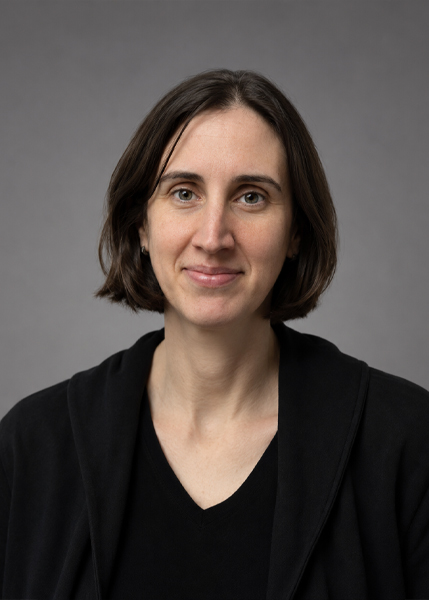
Dr. Candie Wellwood, DNP, PMHNP-BC | USAF Staff Sergeant (Ret.)
Dr. Candie Wellwood is a Doctor of Nursing Practice and board-certified Psychiatric Mental Health Nurse Practitioner – and a retired USAF Staff Sergeant. That combination of military service and advanced psychiatric training is rare, and it shapes everything about how she practices.
Her clinical focus is PTSD, depression, anxiety, and ADHD, with a particular specialization in veterans and first responders. As someone who has served, she brings an understanding of military culture and trauma that most civilian providers simply don’t have. She is a VA Preferred Provider for depression and mental health, and offers TMS therapy for treatment-resistant depression alongside medication management and telehealth appointments throughout the Spokane area.
Dr. Wellwood leads the psychiatric team at Essential Health Group’s Natural Health Center in Medical Lake – where mental and physical health are treated as inseparable.