This post is part of our complete guide to TMS Therapy in Medical Lake & Spokane. Browse the guide for more in-depth information on symptoms, treatments, and what to expect.
How Does NeuroStar TMS Therapy Spokane Transform Mental Health?
NeuroStar TMS Therapy in Spokane transforms mental health by offering a non-invasive, drug-free treatment that stimulates key areas of the brain to relieve symptoms of depression and anxiety. This cutting-edge therapy empowers individuals with new hope, helping them reclaim daily joy, purpose, and emotional stability.
Looking for help with your mental health?
Essential Psychiatry provides compassionate, evidence-based care in Medical Lake & Spokane. Most insurances and VA accepted.
Non Invasive Evidence Based Mental Care
Mental health is a vital aspect of your overall well-being, and innovative treatments like NeuroStar TMS therapy are redefining how you can approach mental health challenges in Spokane. This non-invasive procedure targets specific areas of the brain to stimulate neural activity, offering a new avenue for those battling depression or anxiety. In this blog post, you’ll gain insights into how NeuroStar TMS therapy works, its benefits, and how it can significantly enhance your mental health journey.
Key Takeaways:
- NeuroStar TMS Therapy offers a non-invasive treatment option for individuals suffering from depression and anxiety, focusing on stimulating specific areas of the brain to improve mood and overall mental health.
- In Spokane, the accessibility of NeuroStar TMS Therapy contributes to a growing shift towards innovative mental health care practices, making effective treatment available to a wider community.
- The therapy shows a strong safety profile and minimal side effects, making it a viable alternative for those who may not respond to traditional medication or prefer to avoid systemic side effects.
The Science Behind NeuroStar TMS Therapy Spokane
NeuroStar TMS Therapy leverages advanced neuroscience to treat mental health disorders effectively. By using magnetic fields to stimulate specific areas of the brain, this innovative therapy creates a ripple effect that leads to significant changes in mood and emotional well-being. The process is non-invasive and tailored to your individual needs, allowing for a focused approach to addressing conditions like depression and anxiety. TMS Therapy is an FDA approved treatment and helpful in cases where traditional methods of mental health treatment have not worked.
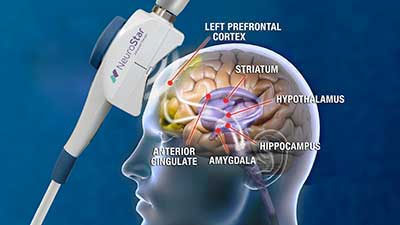
Mechanism of Action: How TMS Influences Brain Chemistry
TMS therapy targets the prefrontal cortex, an area often linked to mood regulation. By applying magnetic pulses, it enhances neuronal activity and promotes the release of neurotransmitters such as dopamine and serotonin. These chemicals are vital for maintaining emotional balance, and through repeated sessions, TMS helps rewire your brain’s response to stress and negative thoughts, fostering resilience and stability.
Clinical Trials and Efficacy: Evidence Supporting TMS Success
Numerous clinical trials validate the efficacy of TMS therapy in treating depression and other mental health conditions. Studies show that around 58% of patients experience a significant improvement in their symptoms after a series of treatments, with many achieving complete remission. The promising results highlight TMS as a safe and effective alternative for those who have not found relief through traditional medication or therapy.
In one landmark trial involving over 300 participants, the response rate for those undergoing TMS treatment was substantially higher than those receiving a placebo. Follow-up evaluations indicated sustained improvement after their treatment, further establishing TMS as a reliable choice for managing persistent depressive symptoms. As research continues, the ongoing findings point to not only the effectiveness but also the safety profile of TMS, reinforcing its role as a transformative option in mental health care.
The Mental Health Landscape in Spokane
In Spokane, the mental health landscape reflects a growing concern among residents as rates of depression and anxiety continue to rise. The region faces unique socio-economic challenges, including limited access to care and a shortage of licensed mental health professionals. Despite these hurdles, awareness and stigma reduction efforts are gradually creating a more supportive environment for individuals seeking help.
At our practice, we look to help support our communities around Medical Lake and Spokane and beyond. Our psychiatric services are there to help everyone who is suffering, and we are heavily involved with helping our veterans and first responders alike, being a VA preferred practice as well. With Dr Candie Wellwood DNP, PMHNP, herself a USAF veteran, we understand the importance and need to be able to help all in our community, which is why we have set up here.
Prevalence of Depression and Anxiety Disorders
Depression and anxiety disorders are alarmingly common in Spokane, affecting a significant portion of the population. Nearly one in five adults experiences some form of mental illness, with statistics showing that around 20% of individuals report suffering from depression and over 18% from anxiety disorders. This prevalence highlights the pressing need for effective treatment options and support systems to address these widespread issues.
Accessibility Challenges: Barriers to Traditional Mental Health Care
Accessing traditional mental health care in Spokane can be daunting due to various barriers. Many individuals face long wait times for appointments, a lack of nearby providers, and financial constraints that limit their ability to seek necessary treatment. Additionally, stigma surrounding mental health can deter you from pursuing care, even when needed.
Those living in rural areas often contend with significant transportation challenges, making it more difficult to attend therapy sessions or consultations. Long distances to reach facilities and a shortage of practitioners exacerbate feelings of isolation and helplessness.
Furthermore, insufficient insurance coverage complicates matters, leaving many without the means to afford ongoing treatment. As you assess your options, recognizing these barriers may guide you toward alternative solutions like NeuroStar TMS Therapy, which can help bridge the gap in mental health care accessibility and effectiveness.
Transformational Effects of TMS on Local Patients
Our NeuroStar TMS Therapy has profoundly impacted the lives of patients in Spokane, providing them with a renewed sense of hope and purpose. As a non-invasive treatment approach, it helps alleviate symptoms of depression and anxiety, allowing individuals to reconnect with their passions and relationships. Patients report feeling more energized, engaged, and ready to embrace life’s challenges, resulting in a vibrant community spirit centered around mental wellness. The therapy not only enhances mental health but also fosters resilience and promotes a more fulfilling daily life.
Patient Stories: Real-Life Impact and Recovery Journeys
Local patients have shared inspiring testimonials about their experiences with NeuroStar TMS Therapy, revealing transformative journeys from despair to hope. One such patient, Sarah, recounted how the treatment allowed her to regain control over her daily life after years of battling depression. With newfound clarity, she embraced opportunities to engage in her community and nurture her relationships, demonstrating the life-changing impact of this innovative therapy. These personal stories highlight the powerful recovery journeys that are possible through TMS.
Changes in Daily Life: From Symptom Management to Empowerment
As patients undergo NeuroStar TMS Therapy Spokane, they often shift from merely managing symptoms to feeling empowered and in control of their mental health. This transition reflects a significant change in perception, allowing you to actively participate in your healing journey. Many report that they can pursue interests that were once overshadowed by their mental health struggles. You may find it easier to form connections, pursue education, or enjoy social activities, paving the way for a more fulfilling and vibrant life.
Instead of just coping with daily symptoms, TMS opens the door to a proactive approach to mental wellness. Individuals often experience increased motivation and a zest for life that had been missing. You might discover that tackling your work or personal projects becomes less daunting. Activities that once felt overwhelming can now be approached with newfound enthusiasm. This empowerment encourages you to take ownership of your mental health, fostering a sense of agency that translates into life satisfaction and well-being.
The Role of Providers and Community Support in TMS Success
Your journey with NeuroStar TMS therapy Spokane can significantly benefit from the active involvement of health providers and community support systems. Our practitioners play a vital role in guiding you through the treatment process, ensuring that you are well-informed about your options. Supportive networks, including local mental health organizations and peer groups, can amplify your experience and recovery, providing you with necessary encouragement and resources that enhance the overall effectiveness of TMS therapy.
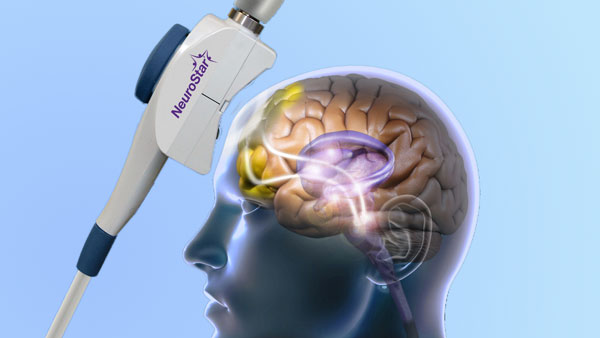
Training and Expertise: What Practitioners Need to Know
Our practitioners have specialized training in TMS therapy to ensure safety and efficacy in treatment. Knowledge of various mental health conditions, understanding patient histories, and recognizing potential side effects are necessary competencies. Collaborative approaches that combine TMS with psychotherapy or medication management can lead to improved outcomes for your mental health journey.
The Future of Mental Health Care: TMS and Beyond
TMS therapy represents just the beginning of a broader evolution in mental health treatment. As research advances, the integration of neuroscience with psychotherapy may lead to more personalized treatment plans that combine TMS with other therapeutic modalities, improving overall efficacy. The significance of treating mental health conditions with innovative methods can lead to more accessible, effective approaches tailored to individual needs. At Essential Psychiatry, we offer many other treatment options designed to help patients with their mental health issues. These can be used alongside or independently of TMS therapy.
Innovations in TMS Technology and Techniques
Continuous advancements in TMS technology are revolutionizing your treatment options. New protocols, such as theta burst stimulation, shorten the duration of sessions while maintaining efficacy. Additionally, spatial navigation techniques are being researched to optimize targeted brain areas, paving the way for more personalized treatments. These innovations promise to enhance patient experiences and outcomes, making TMS therapy even more effective.
To wrap up
Upon reflecting, you can see how NeuroStar TMS Therapy significantly transforms mental health in Spokane we offer this non-invasive and effective alternative for those struggling with depression and anxiety. This innovative treatment empowers you through personalized care, targeting brain activity to alleviate symptoms and improve your quality of life. As you consider this therapy, you may find hope in the possibility of renewed mental wellness, enabling you to lead a fulfilling life free from the limitations of traditional treatments.
If you feel you are a candidate for NeuroStar TMS Therapy Spokane, we invite you to call us at 509-299-6900 and schedule an appointment. One of our experienced mental health staff members will be on hand to speak with you, examine you and determine if you would benefit from TMS therapy.
FAQ
Q: What is NeuroStar TMS Therapy and how does it work?
A: NeuroStar TMS Therapy is a non-invasive treatment option for individuals suffering from depression and other mental health conditions. It utilizes magnetic fields to stimulate nerve cells in the brain that are believed to be involved in mood regulation. The therapy is administered by placing a treatment coil on the scalp, which delivers targeted magnetic pulses to activate the neurons, promoting a positive change in mood and cognitive function over time.
Q: Who can benefit from NeuroStar TMS Therapy in Spokane?
A: NeuroStar TMS Therapy is particularly beneficial for individuals with Major Depressive Disorder who have not responded well to traditional treatments such as antidepressant medications or psychotherapy. It is also suitable for those who prefer a non-drug approach to treatment or are looking for an alternative therapy option. It is important to consult a qualified provider to determine if TMS therapy is a good fit for individual circumstances.
Q: What is the treatment process like for NeuroStar TMS Therapy?
A: The treatment process for NeuroStar TMS Therapy typically involves a series of outpatient sessions, often taking place 5 days a week over a span of several weeks. Each session lasts about 20 to 40 minutes, depending on the individual treatment plan. Patients can engage in their regular activities immediately after each session, as there is no sedation required or significant side effects associated with the therapy.
Q: Are there any side effects associated with NeuroStar TMS Therapy?
A: Most individuals experience minimal side effects with NeuroStar TMS Therapy. The most common side effect reported is mild discomfort at the site of treatment, such as headache or scalp soreness, which usually subsides shortly after the session. Unlike traditional antidepressants, TMS therapy does not carry the risk of systemic side effects, making it a well-tolerated option for many patients.
Q: How does NeuroStar TMS Therapy impact overall mental health in the community?
A: NeuroStar TMS Therapy has the potential to significantly improve the mental health landscape in Spokane by providing an effective treatment alternative for those struggling with depression. As more individuals access this therapy, it can lead to increased awareness about mental health issues, reduce stigma, and encourage others to seek help. Additionally, by fostering mental well-being, TMS therapy can contribute to healthier communities and improved quality of life for residents.
Ready to take the next step?
Essential Psychiatry serves Medical Lake & Spokane. Compassionate, confidential care — most insurances & VA accepted.

Dr. Candie Wellwood, DNP, PMHNP-BC | USAF Staff Sergeant (Ret.)
Dr. Candie Wellwood is a Doctor of Nursing Practice and board-certified Psychiatric Mental Health Nurse Practitioner – and a retired USAF Staff Sergeant. That combination of military service and advanced psychiatric training is rare, and it shapes everything about how she practices.
Her clinical focus is PTSD, depression, anxiety, and ADHD, with a particular specialization in veterans and first responders. As someone who has served, she brings an understanding of military culture and trauma that most civilian providers simply don’t have. She is a VA Preferred Provider for depression and mental health, and offers TMS therapy for treatment-resistant depression alongside medication management and telehealth appointments throughout the Spokane area.
Dr. Wellwood leads the psychiatric team at Essential Health Group’s Natural Health Center in Medical Lake – where mental and physical health are treated as inseparable.